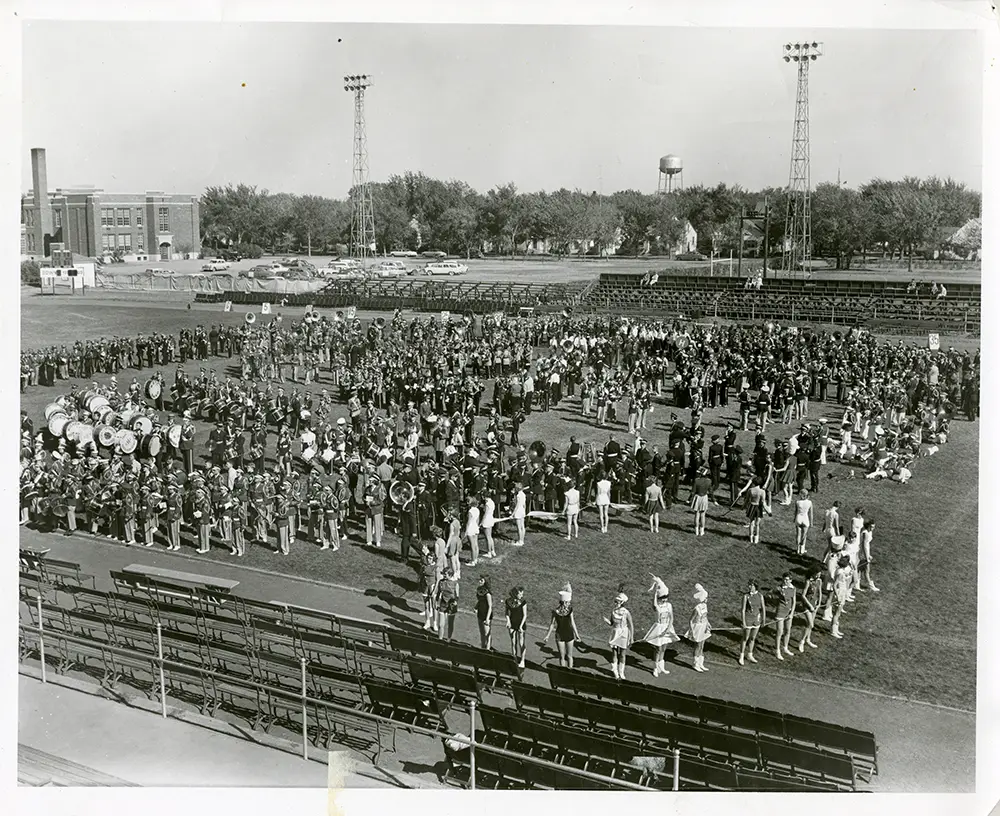
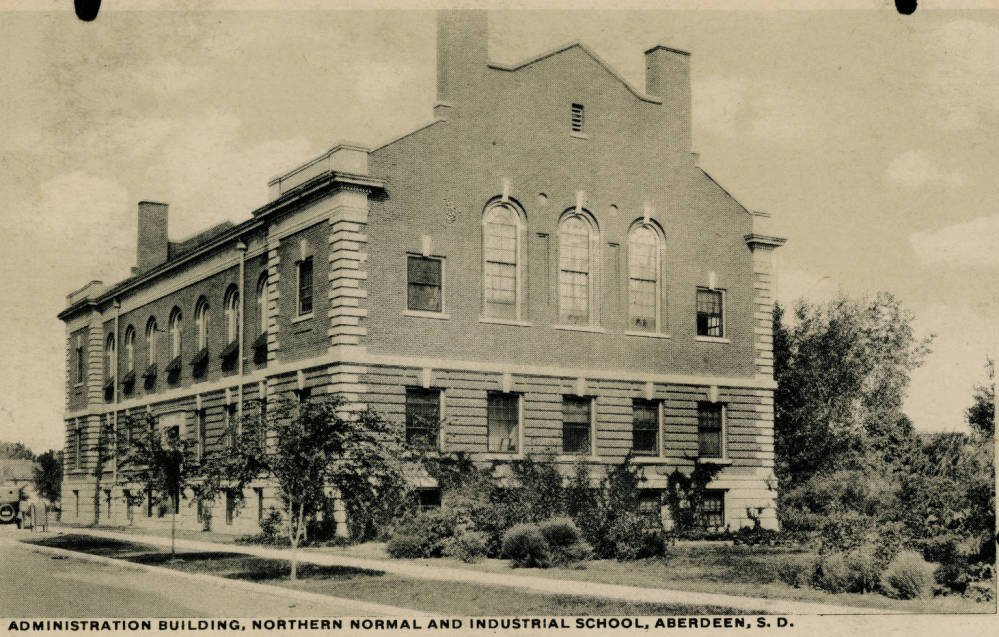
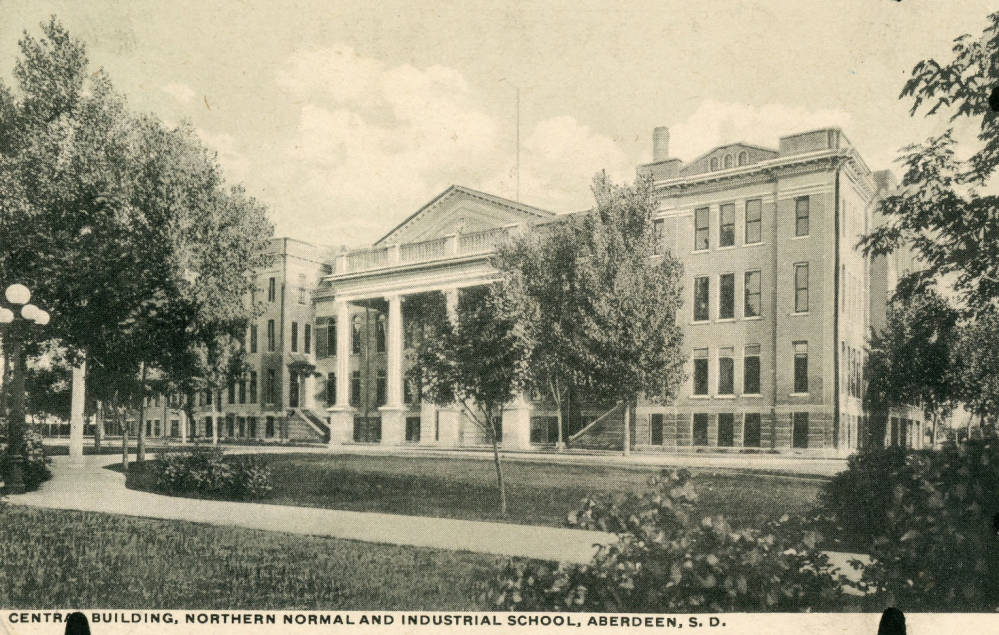
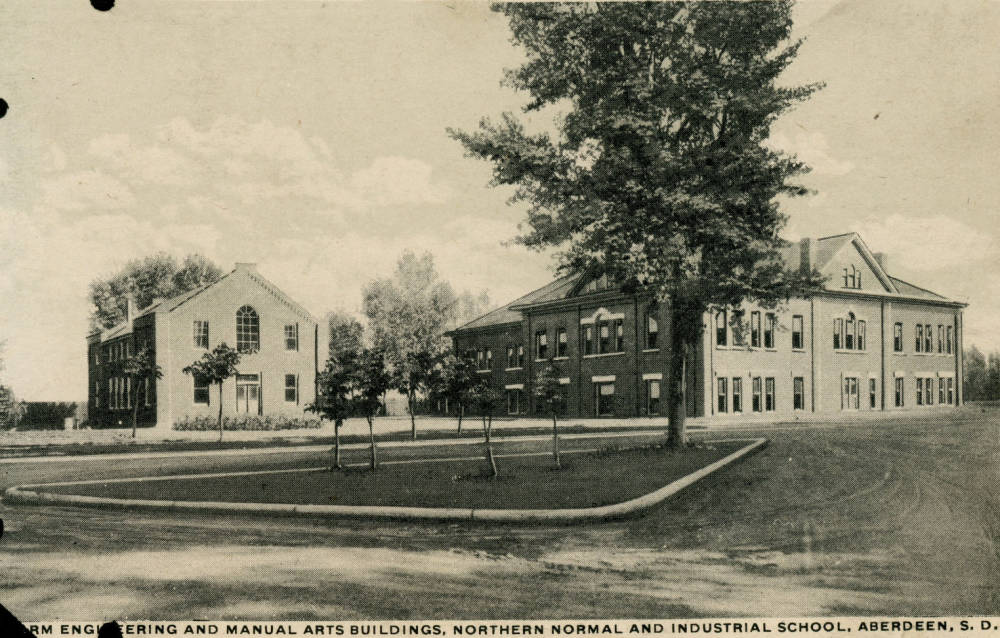
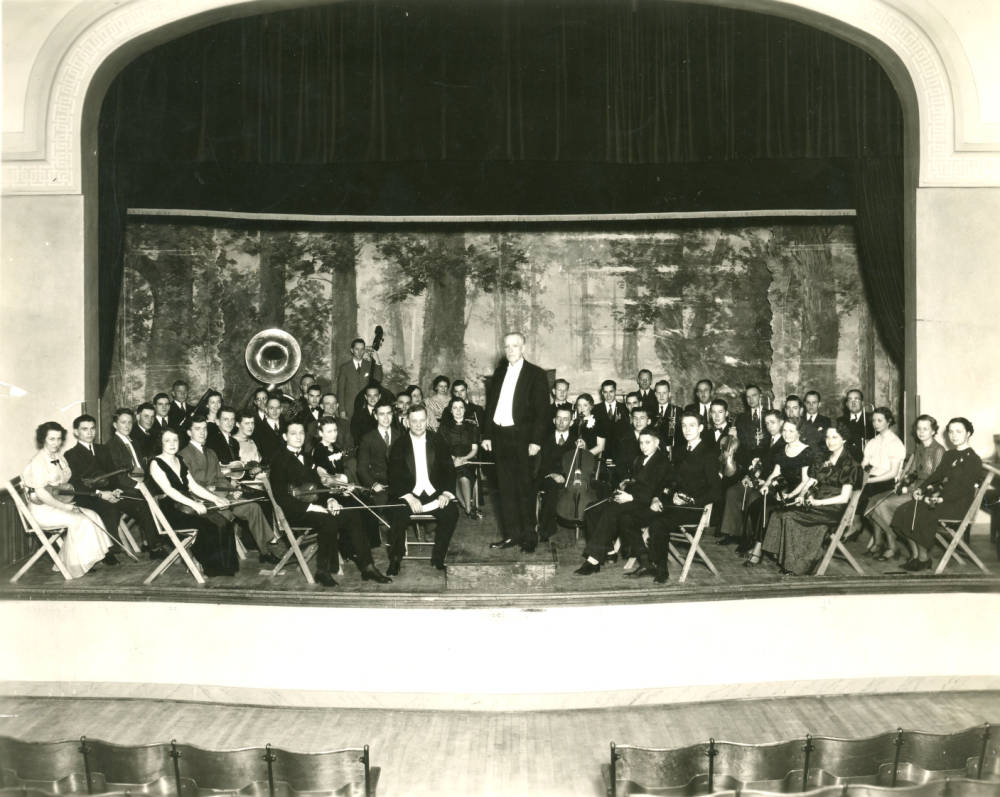
Our 125th anniversary is a celebration of that remarkable journey. It’s a chance to remember the people and moments that shaped Northern, from early traditions and historic milestones to the accomplishments, discoveries and experiences that continue to define the Wolf Pack. Through photographs, stories, memories and milestones, we invite you to explore the people and places that have made Northern what it is today.
But an anniversary isn’t only about looking back. As we celebrate 125 years, we’re also looking ahead—to new ideas, new opportunities and the next generation of Wolves who will carry Northern’s legacy forward. The story that began in 1901 is still being written, and the best chapters are yet to come.
Celebrate 125 years of Northern. Explore our history. Share your story. And join us as we look toward the next chapter.
Northern State University History
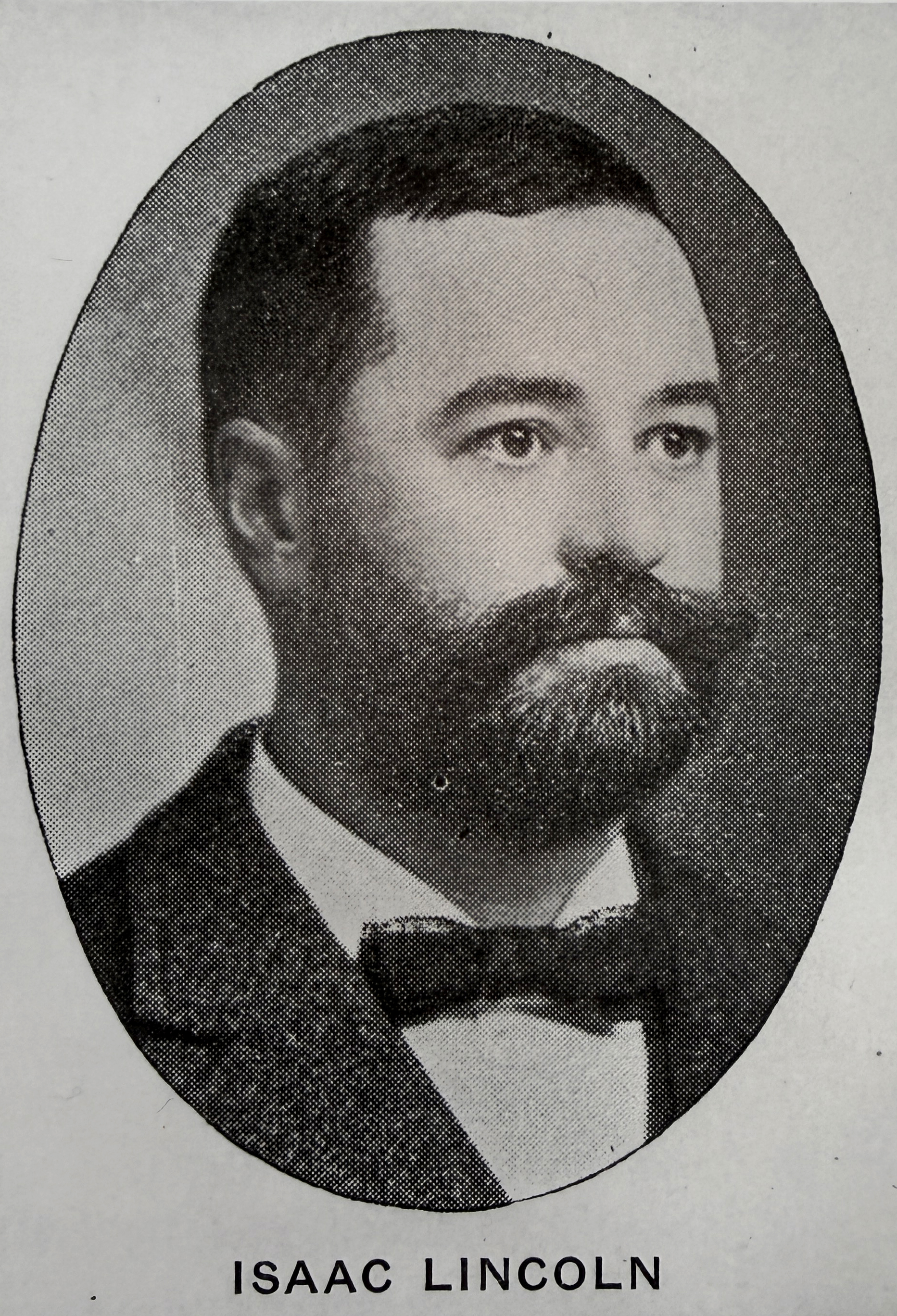
Brown County residents State Senator James M. Lawson, banker Isaac Lincoln and Father Robert W. Haire led an effort to create a higher education institution in Aberdeen in 1889. Local citizens donated 23 acres on the city’s southern edge for the site of the campus.
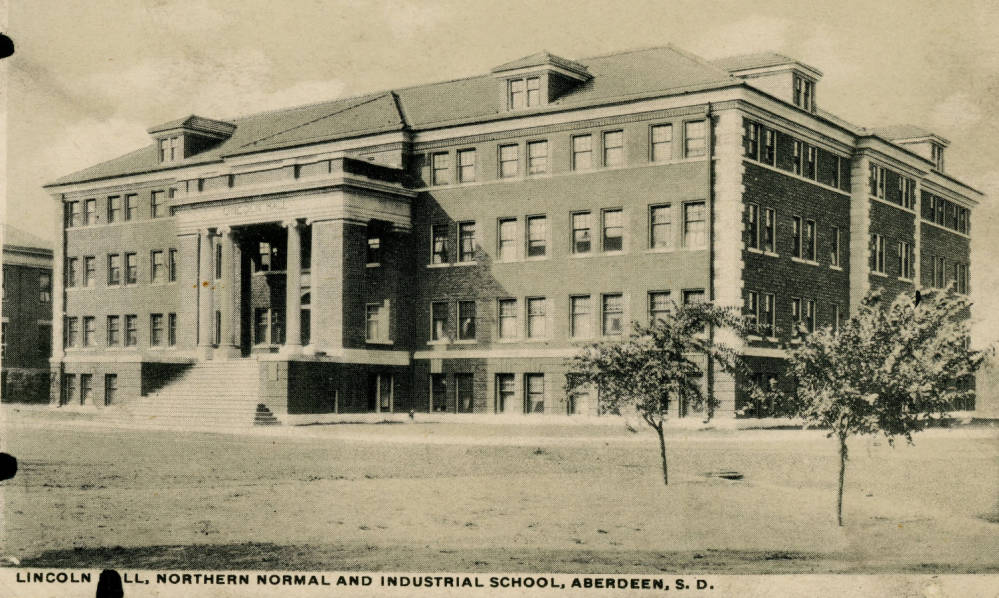
Initially called the Industrial Institute of South Dakota, Northern shortly thereafter added a teacher preparation program and became the Northern Normal and Industrial School in 1901. Its founding president was Charles F. Koehler (1902-1905).
When George Nash was president (1905-1914), he suggested the campus be made into a four-year teachers’ college. The first Gypsy Day homecoming celebration was organized by students in 1916. Northern was granted the right to award baccalaureate degrees in 1920 and was recognized as a senior teachers’ college. The State Legislature changed the name of the institution to Northern State Teachers College in 1939. The college received its first accreditation by the North Central Association in 1940.
During the 1940s, World War II became a central focus at Northern. In 1920, the U.S. Aerial Aeronautic Authority authorized Northern to offer a program to train military pilots. The program grew into a naval flight training program in 1943. In addition to establishing a defense school, the campus hosted a U.S. Army school for glider engineering curriculum. A Northern alumnus, Lt. Cecil E. Harris, became the U.S. Navy’s second leading pilot during the war.
Expansion of the institution continued in the 1950s and 1960s, seeing budget and enrollment figures nearly triple, the addition of nine buildings and a doubling of faculty numbers. Recognition of Northern’s increasing importance came in 1964 when the legislature changed its name to Northern State College.
In 1971, the Board of Regents lifted a three-year curricular development freeze and Northern evolved into a multipurpose, comprehensive state college. Further recognition came in 1987, when the Carnegie Commission classified Northern as a Comprehensive I Institution. The classification was the second highest granted any South Dakota college or university.
In 1989, Northern was renamed Northern State University after two years of lobbying by supporters.
From 1989 to today, Northern State University has continued to grow, evolve and build on more than a century of tradition. The university entered a new era marked by academic growth, campus transformation, expanding opportunities for students and a continued commitment to serving the region. New programs, facilities, partnerships and innovations have strengthened Northern’s role in education and the community, while traditions such as Gypsy Days, Wolf Pack pride and student life have continued to connect generations of Wolves. As Northern celebrates 125 years, the university looks back on decades of progress while embracing the opportunities and possibilities that will shape its next chapter.
Northern State University reached its highest enrollment in university history in fall 2026, welcoming 1,890 total students.
James M. Lawson, state senator from Brown County, introduced Senate Bill 33 to create a “Normal and Industrial School” in Aberdeen. The bill passed in the House (59-21) and the Senate (31-7), but was vetoed by the governor.
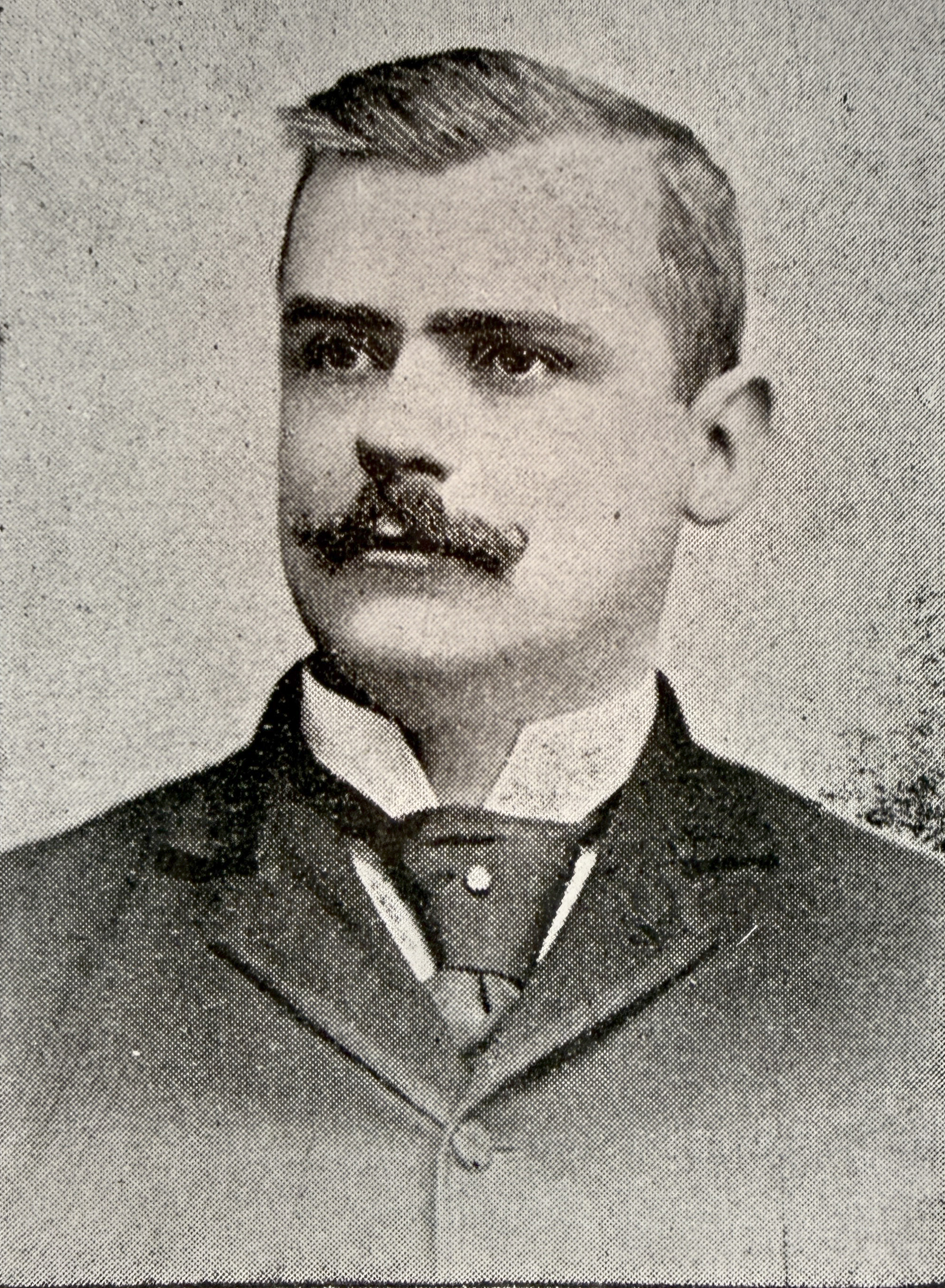
James M. Lawson introduced Senate Bill 263, which no longer called for the creation of “a Normal and Industrial School” but for an “Industrial School and Institute of Technology” in Aberdeen. That bill was approved, though no funds were appropriated to begin construction, leaving it as a school which existed in name only.
Senate Bill 143 was approved, amending the 1899 legislation by changing the name to Northern Normal and Industrial School and stating the mission as “to give instruction to persons of both sexes in manual training and in the science and art of teaching and also in the industrial and mechanical trades, arts and sciences, and in the allied branches of learning.”
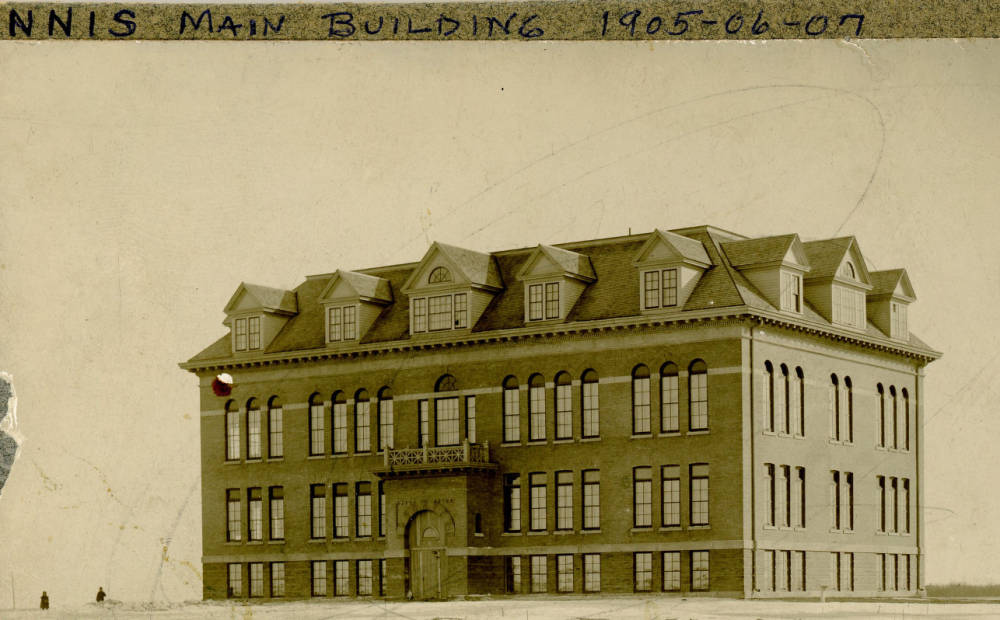
House Bill 21 was approved by Gov. Herreid, appropriating $28,000 “for the erection of a school, recitation and building upon the lands donated to the said school at Aberdeen” plus $2,000 for the heating plant for that building.
As construction neared completion on the brick and stone four-story structure, a fire started from stoves used to dry plaster and gutted the building. The contractor, H. P. Fransen and Company, had no insurance to cover the loss.
According to Northern State University: The First Century, as the building was being consumed by flames, one bystander asked if this was the end of the Normal school. Isaac Lincoln voiced the dedication and determination of his fellow visionaries, saying, “Hell no, we have just commenced to fight.”
A legal battle ensued, and the court held the contractor accountable for the loss, which financially ruined the company. Despite the difficulty, the building was rebuilt and completed enough to be used for classrooms by the fall of 1902.
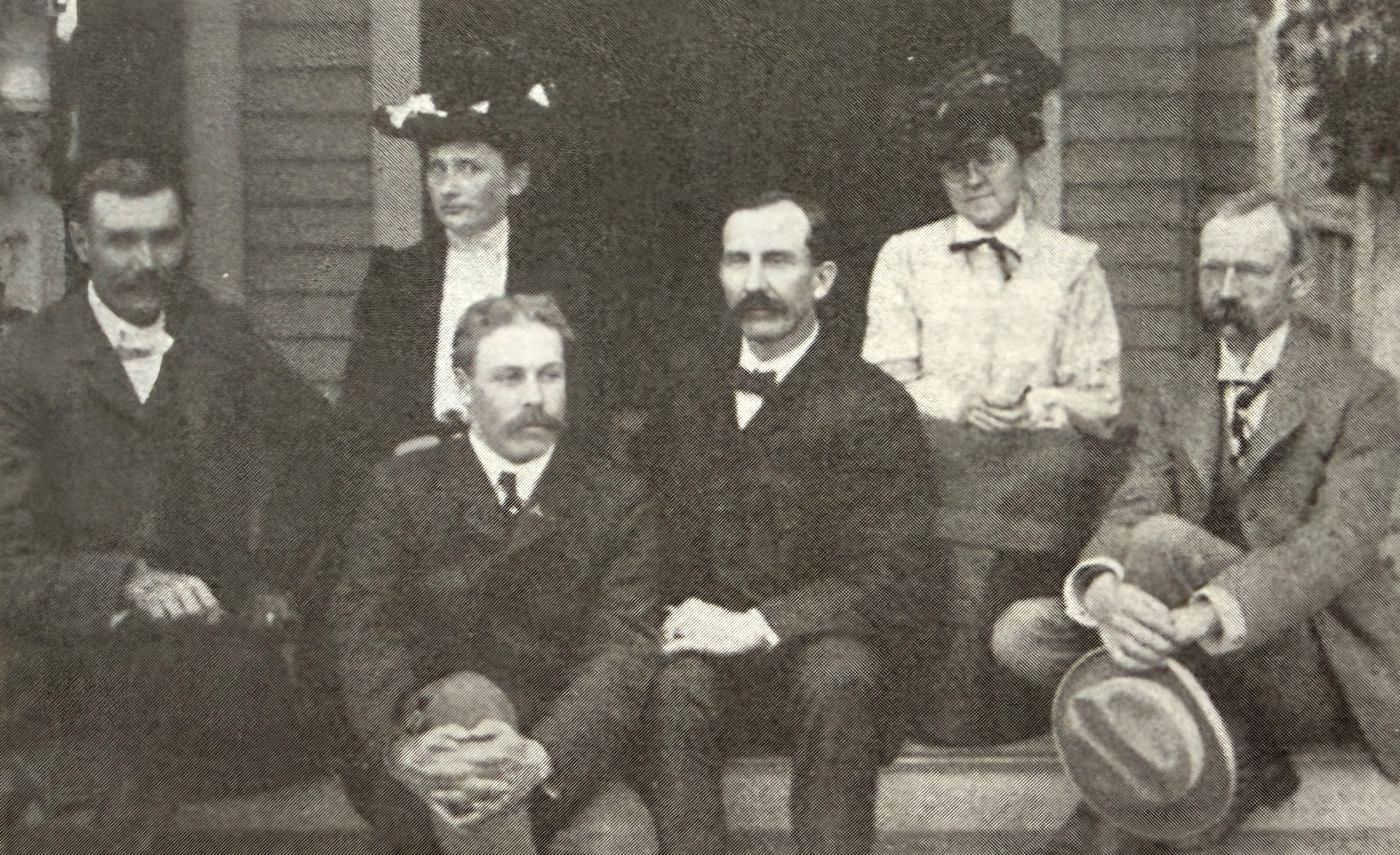
The first faculty meeting was held on the steps of the residence then occupied by President Charles F. Koehler at 212 Seventh Avenue Southeast. In attendance were President Koehler, who had previously been instructor of civics and history in the State Normal School in Mankato, Minn.; S. C. Hartranft, previously county superintendent of schools for Brown County; Willis E. Johnson, previously instructor in geography at the Mayville, N.D., State Normal School; Elizabeth Clary, previously instructor in English and mathematics in the Pierre High School; Carrie R. Squire from Minnesota; and Fred W. Smith, previously a science teacher in Mankato, Minn.
The first school term opened with an attendance of about 53 students. Some permanent history was made in those first few weeks, according to the university’s first vice president, Fred W. Smith. The school colors, maroon and gold, were adopted after the University of Minnesota. The school yell was also created:
Zip, Zip, Zah, Zeen
Northern, Normal, Aberdeen
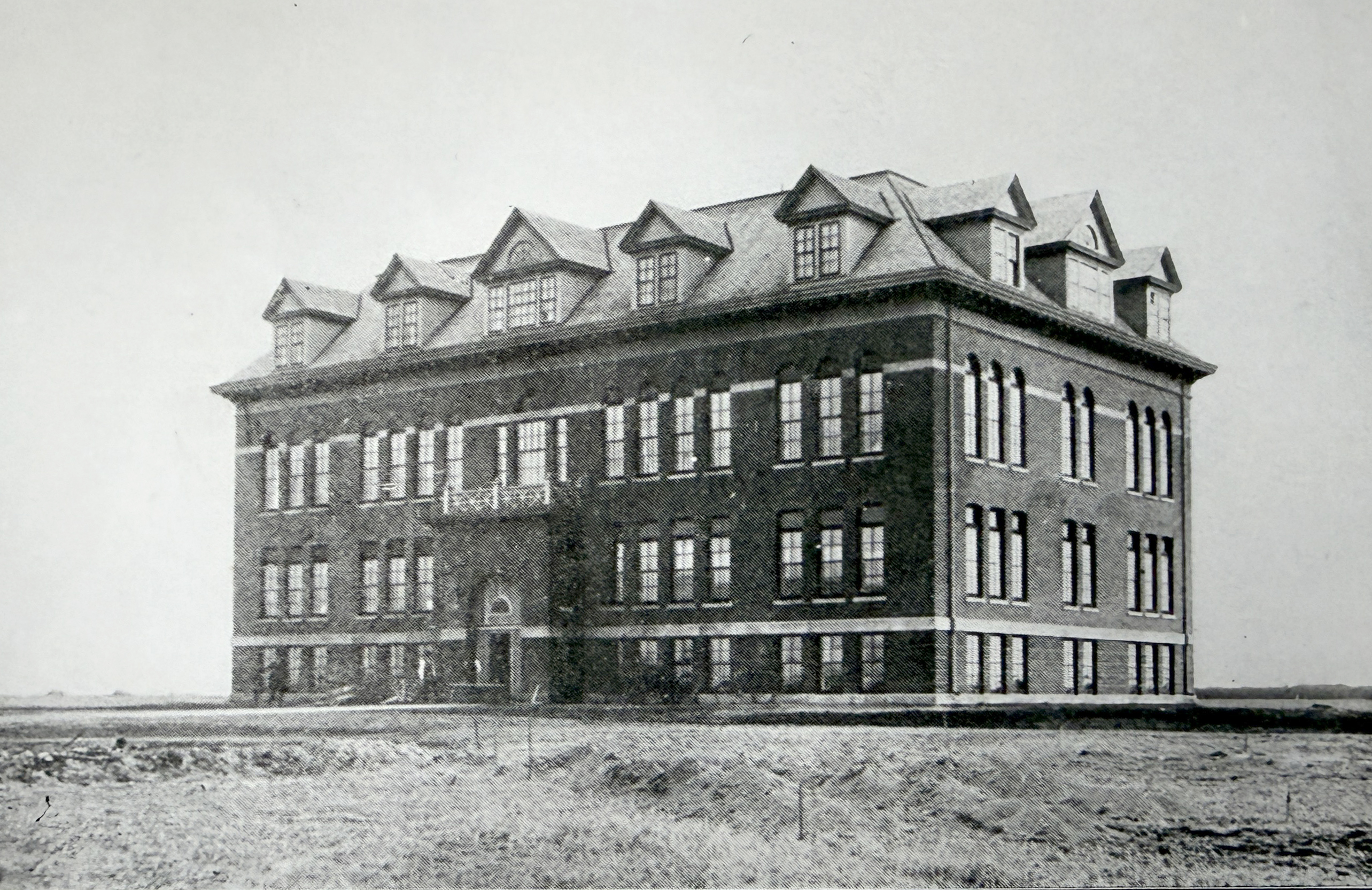
The official dedication ceremony was presided over by President Koehler.
1902-1903
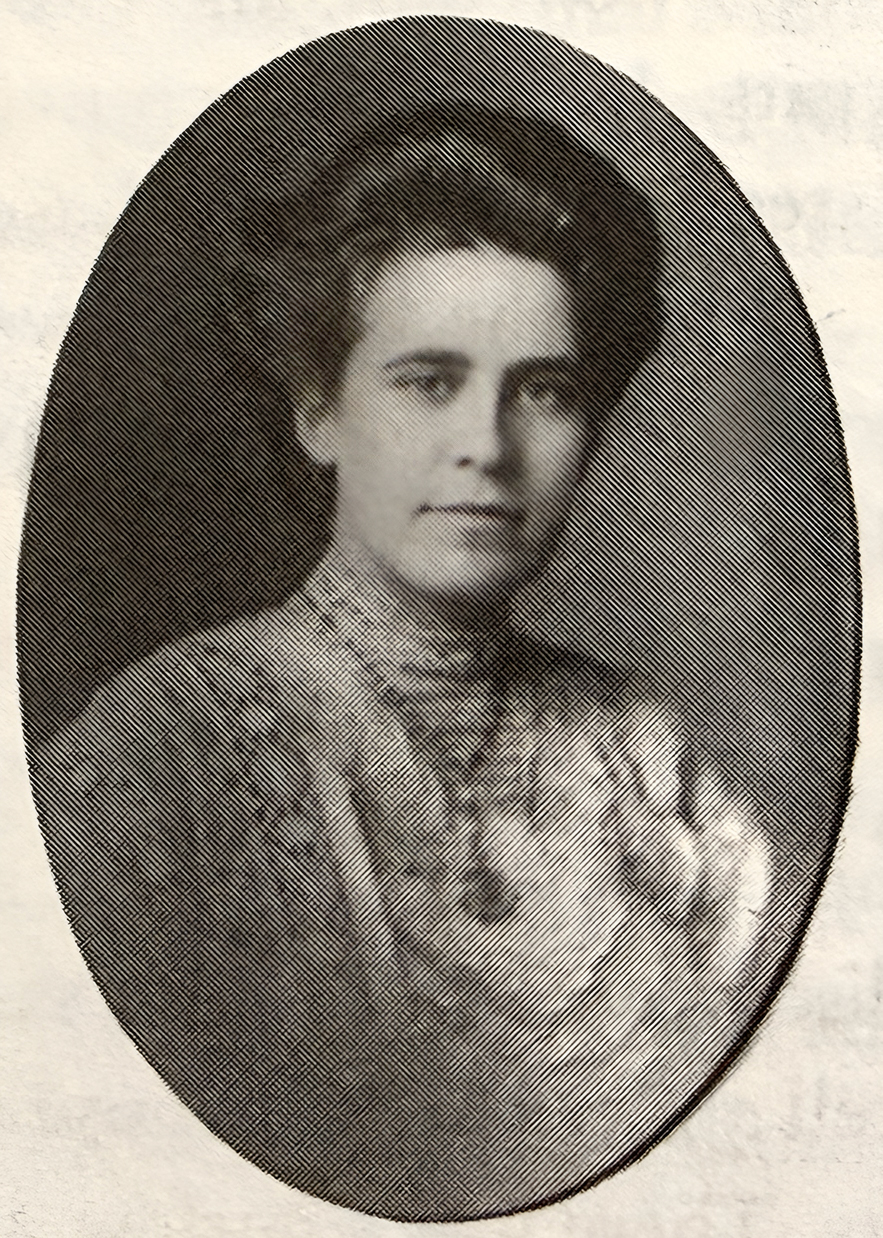
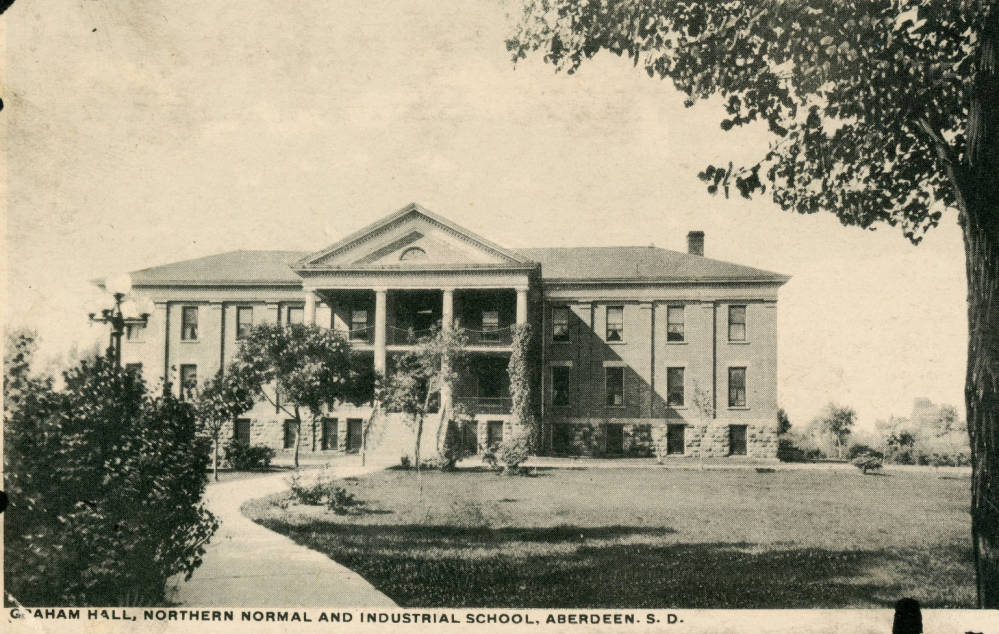
Enrollment for Northern’s first full year was 1,942. Tuition was $12 a year and room rent in Graham Hall was 50 cents a week. Board was $2.10 a week. The college had finished its first year successfully, and the state Legislature appropriated funds for a new girls dorm, Graham Hall, which was set to be completed in fall 1903. However, a fire damaged the building, delaying the opening until March 1904.
The first athletics teams appeared, with football, basketball and track. Baseball was added in 1904. It was not until 20 years later that Northern athletic teams had a name.
Fall 1911
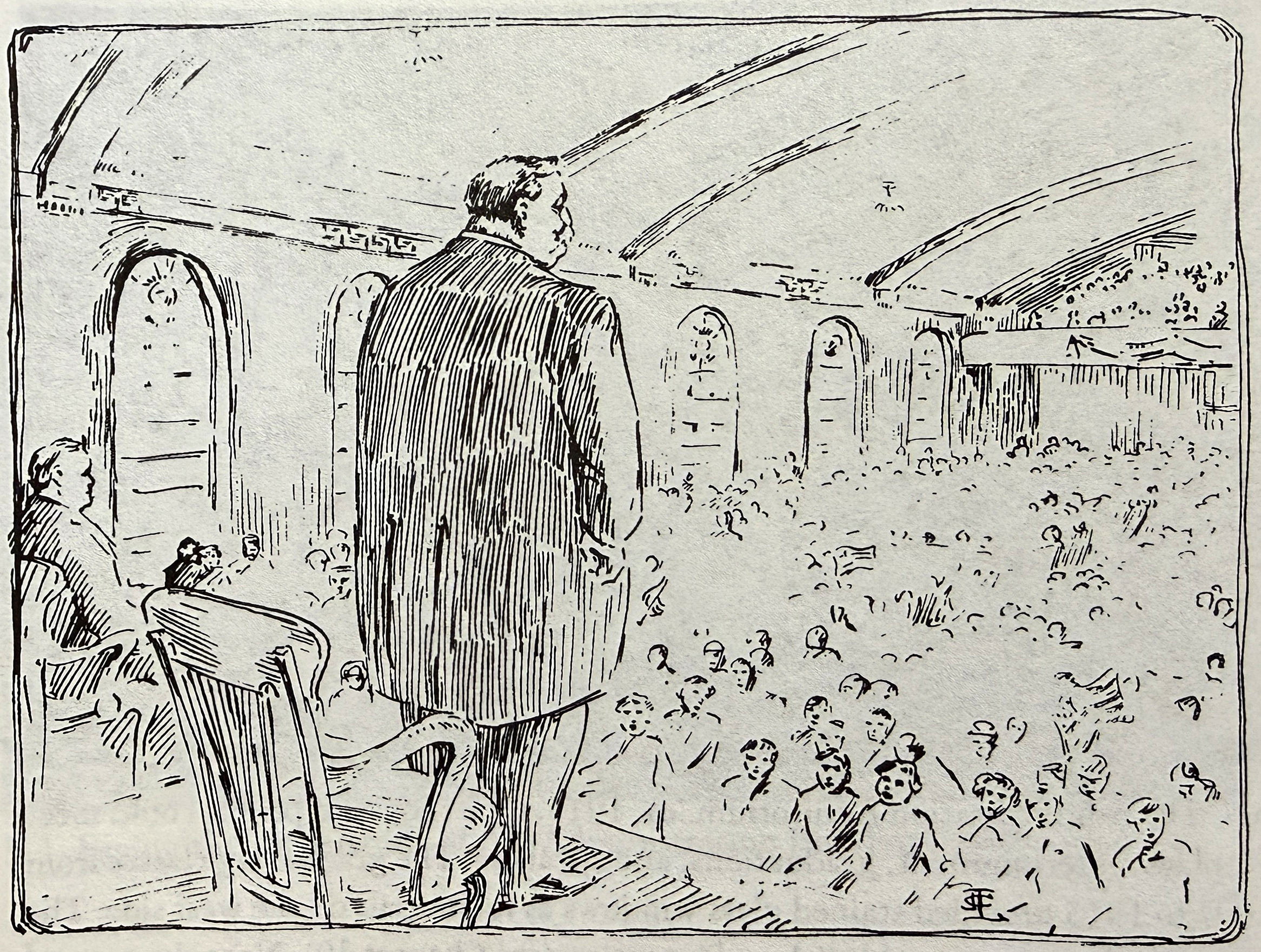
U.S. President William Howard Taft visited campus as part of a “non-political” tour to the Midwest.
Two new departments were added to the curriculum. The first was the Extension Department, which provided home study courses in elementary education and scheduled lectures and recitals in small communities to help both teachers and students develop educational awareness.
The second was an Agriculture Department, which offered courses in practical farming for both men and women.
By 1920, Northern was a leader in rural educational teachers colleges in the Midwest. In the early twenties the Board of Regents granted the institution college status, and Northern became nationally recognized as one of the leading teachers colleges in the nation.
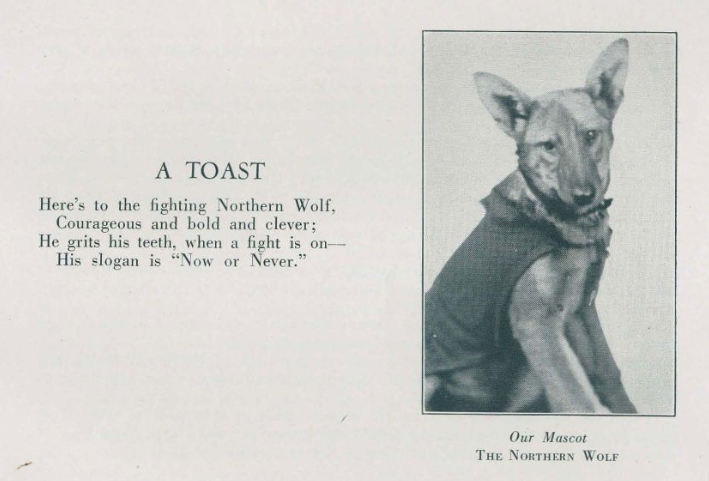
The Exponent announced a campus-wide competition to bring further identity to Northern and the athletic teams by having a name for the teams. President Harold W. Foght offered to pay $1 to the winning entry for the best team name. The Exponent office was not flooded with entries, and no name was offered.
Two weeks later, while on a three-game road trip to Yankton, Sioux Falls and Madison, the basketball team took the matter into their own hands. Frustrated at their first two losses, 46-34 to Yankton and 30-24 to Columbus College in Sioux Falls, the team voted prior to their final game with Madison College to call themselves the Wolves.
The Northern Wolves beat Madison College in that final game, 26-19. Northern State University athletics teams have been known as the Wolves ever since.
Northern coed Thelma Svarstad was chosen “Health Queen of America” at the National 4-H Club Congress in Chicago. The contest was open to males and females from 44 states. As a result, she received national publicity and was featured in national newspapers and newsreels.
The North Central Association for the Accreditation of Colleges and Secondary Schools dropped all teachers colleges from its accreditation list unless they could meet the requirements established for liberal arts colleges and universities.
Northern Normal and Industrial School was renamed Northern State Teachers College.
Northern applied for and was granted accreditation from the North Central Association for the Accreditation of Colleges and Secondary Schools.
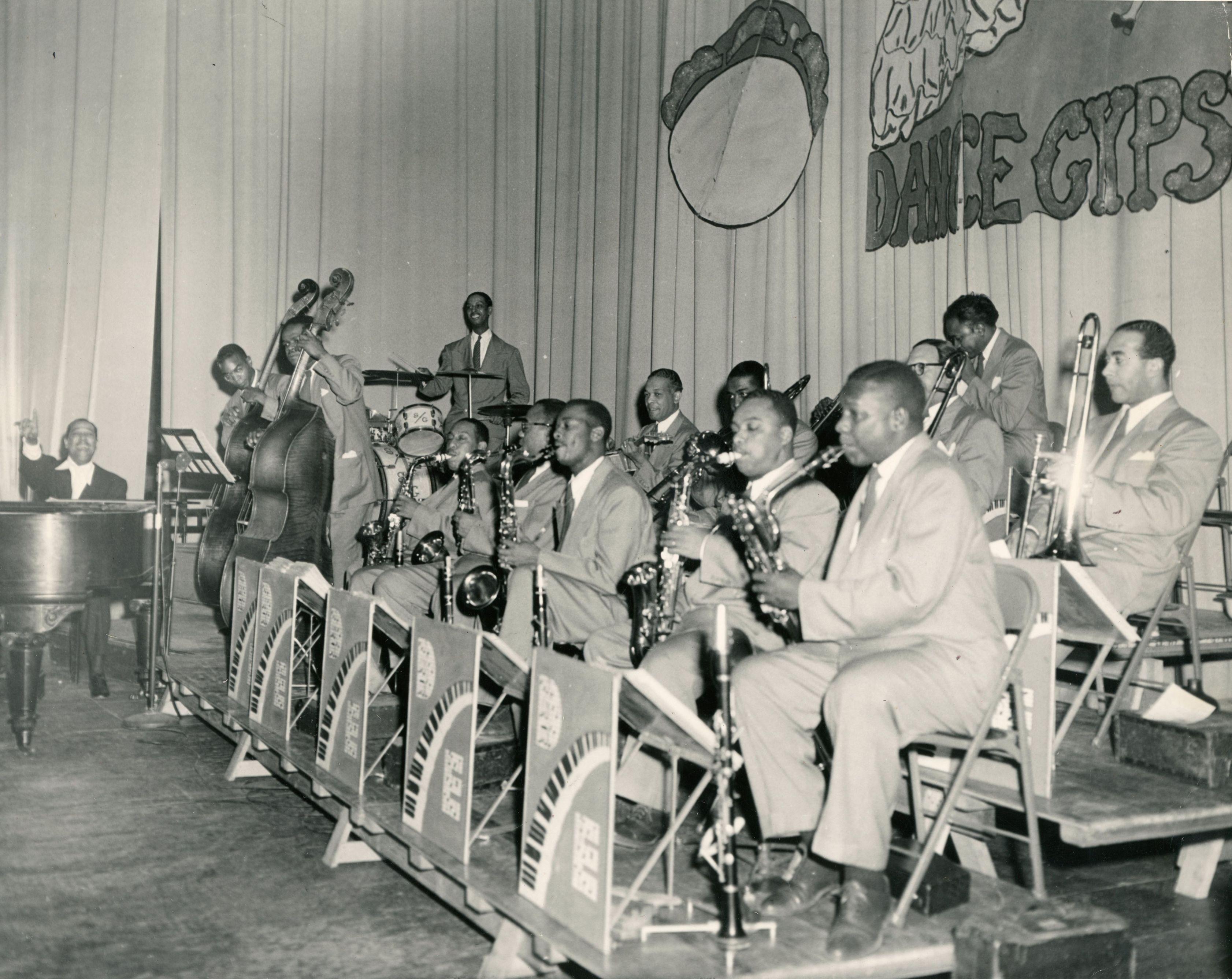
Duke Ellington and his band played for a Gypsy Day concert and dance, and the retiring Gypsy queen wore a gown once worn by Marlene Dietrich in the film Golden Earrings.
The first evening Gypsy Day football game occurred in 1949.
In January, the Board of Regents approved a graduate school program for Northern. The first session of graduate study began in the summer of 1953. Administrators hoped for at least 25 graduate students for the first session, but almost three times that number enrolled the first day.
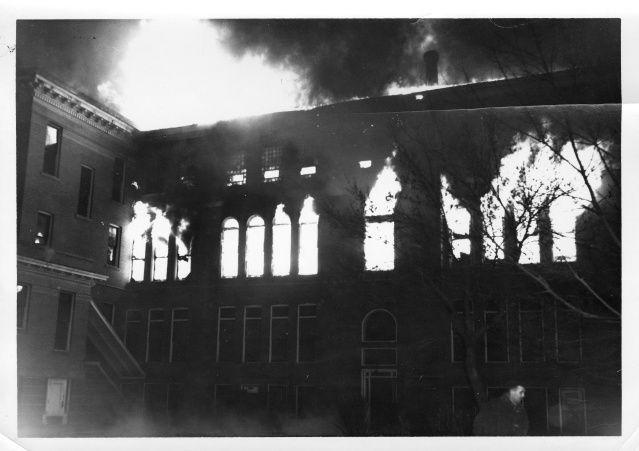
The Central Building was totally destroyed by fire. The Central Building was the oldest building on campus and suffered its first fire in 1901, even before the building had been used.
The South Dakota Legislature changed the name of the institution to Northern State College.
At the March meeting of the South Dakota Board of Regents, Northern State College was given the authority to award the Bachelor of Arts degree in all non-teaching fields. This became effective for the 1966-67 school year.
The Board of Regents approved a new division at Northern State College, the Division of Business Education. Dr. Harry Jasinski filled the role of chairman of the new division, which had 736 majors enrolled.
President Norbert K. Baumgart (1968-1976) announced the nonprofit Northern State College Foundation had been established for the purpose of administering special funds and accepting gifts of various kinds to Northern. The Foundation administers funds for the scholarship program, special loan funds and contributions for special purposes.
Gypsy Day events included a popular rodeo in which students rode bulls.
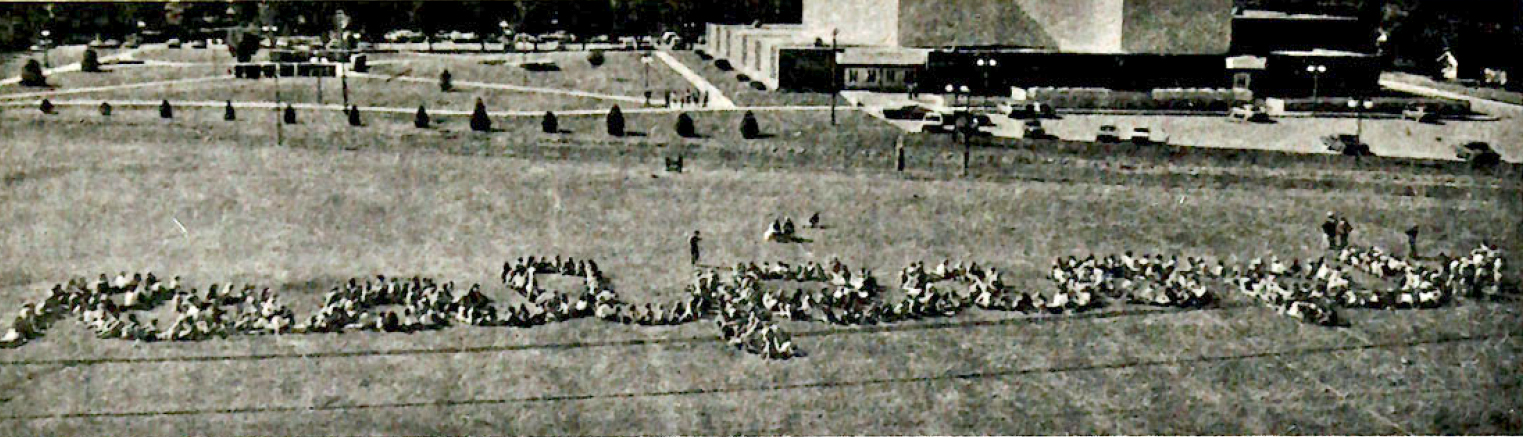
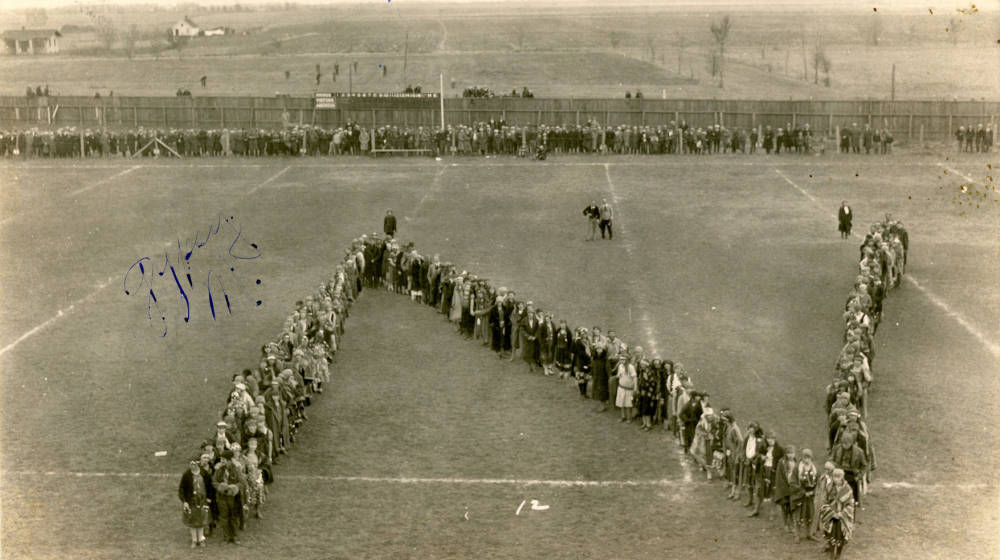
Northern professor of drama Richard Norquist conceived the idea of a “human dominoes” stunt for part of the annual Northern homecoming celebration. More than 400 students took part in the stunt, which was filmed by a local KABY television crew.
After more than two and a half hours of filming and five “takes,” the stunt was effectively captured on film and was featured on the national television show Real People, which was popular at the time.
The South Dakota Senate passed House Bill 1001, which changed the name of Northern State College to Northern State University. This change came after much hard work on the part of legislators, students from Northern and students from Dakota State and Black Hills State, which were also made universities.
Presidential Eras
Northern’s history has been shaped by the leaders who have guided the university through more than a century of growth and change. Explore the presidential eras that have helped define Northern and its continuing commitment to students, the community and the region.
View Current President View Past Presidents
Northern Today
The Story Continues
For 125 years, Northern has been shaped by the people, experiences and traditions that bring our community together. Explore some of the moments we're celebrating today as the next chapter of Northern's story unfolds.
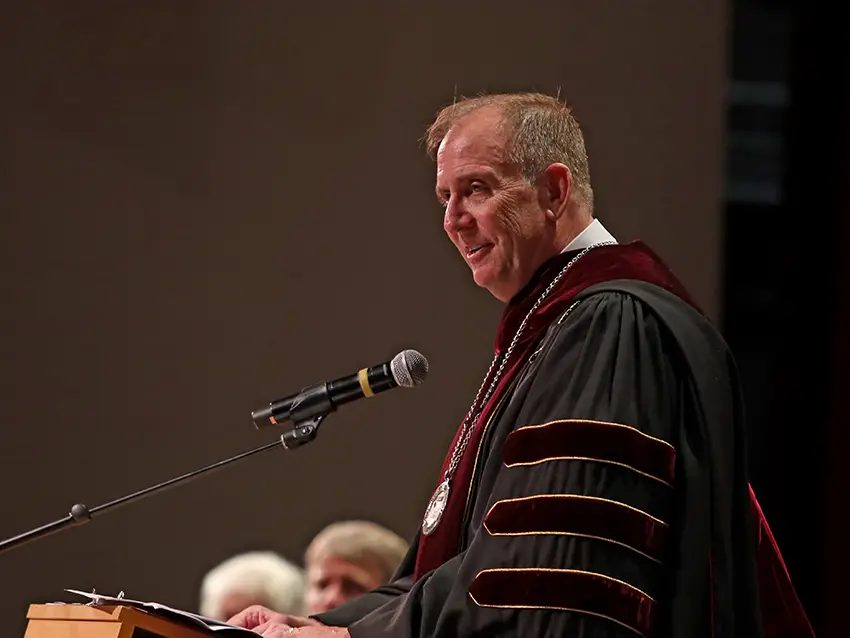
Presidential Investiture Ceremony
Northern State University will hold the investiture ceremony for Dr. Alan D. LaFave.
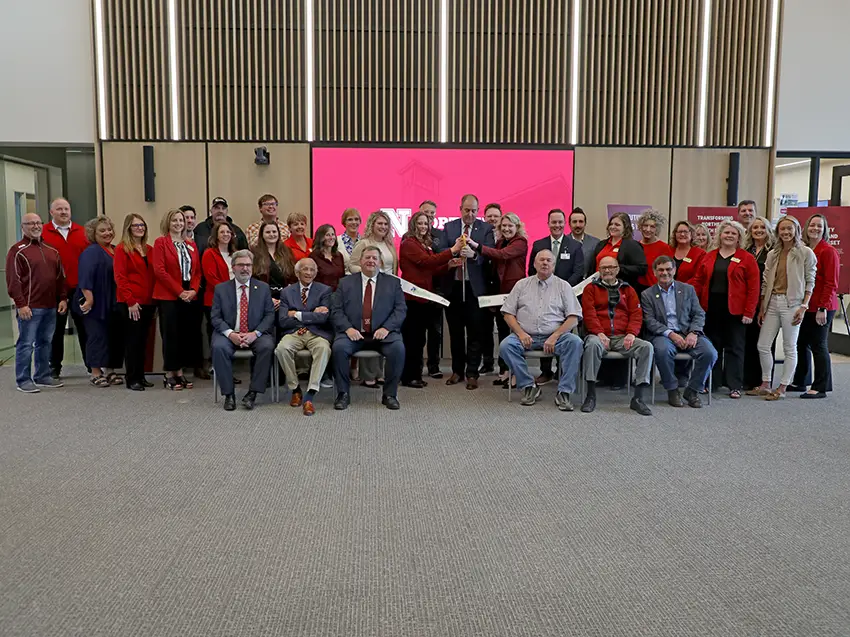
Ribbon Cutting of Business and Health Innovation Center
The official ribbon cutting of its new Business and Health Innovation Center, a facility designed to prepare students for in-demand careers and strengthen workforce and economic development across the region.
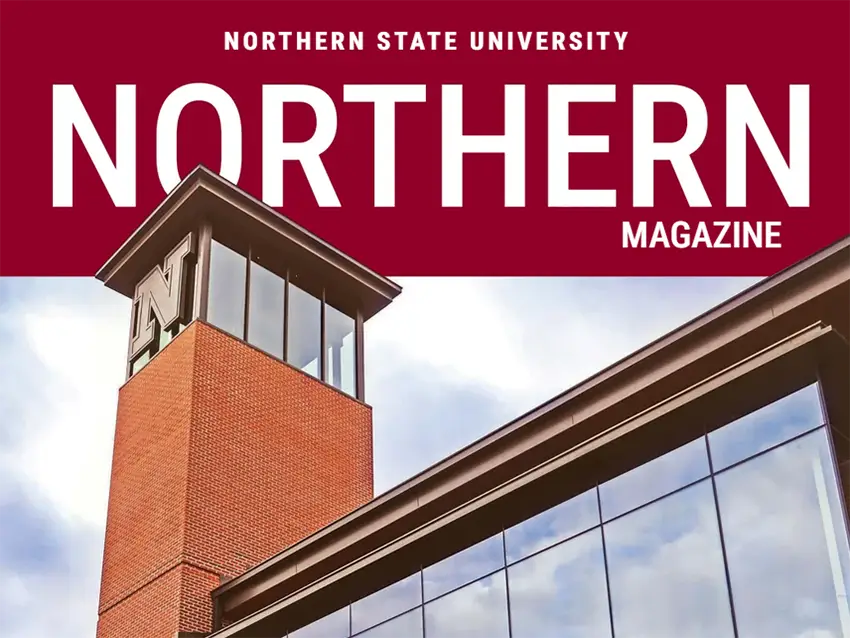
Northern Magazine 2026 Edition
Stories of impact — faculty who mentor with purpose, students who lead with conviction and alumni whose success reflects Northern’s enduring commitment to excellence.